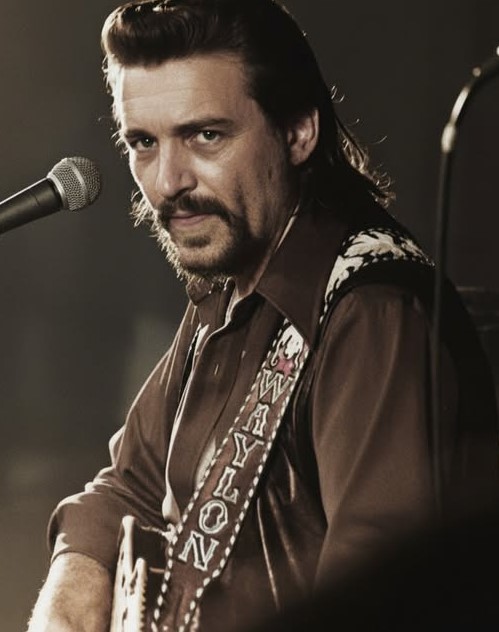
A Pioneering Reinterpretation of a Pop Classic
Waylon Jennings’ rendition of “MacArthur Park” in 1969 stands as one of the most daring reinterpretations in country music history. Originally penned by Jimmy Webb and popularized by Richard Harris, the song had already earned a reputation as a sweeping orchestral pop epic. Jennings took this ambitious piece and transformed it into a country-infused masterpiece, slowing the tempo and emphasizing emotional depth over theatrical spectacle. This was not a mere cover; it was a radical reinvention, showcasing Jennings’ ability to bridge seemingly disparate genres while preserving the song’s dramatic essence.
Transforming Orchestral Drama into Country Emotion
In Jennings’ version, the lush orchestration of the original is replaced with a more grounded musical approach, where the richness of country instrumentation allows the narrative to breathe. The track balances intricate guitar work, subtle piano flourishes, and understated percussion to create an atmosphere that is simultaneously cinematic and intimate. Jennings’ vocal delivery is earnest and earthy, contrasting beautifully with the song’s previous pop theatricality. The presence of The Kimberlys’ harmonies adds a delicate, almost ethereal layer, highlighting the emotional weight of the lyrics and framing Jennings’ performance as both heartfelt and sophisticated.
Foreshadowing the Outlaw Era
This recording captures Jennings at a pivotal moment in his career. Although still operating under the Nashville studio system, the interpretation of “MacArthur Park” signals his growing desire for artistic independence. Every deliberate tempo shift and vocal inflection foreshadows the outlaw country movement that Jennings would soon help define. The song exemplifies his willingness to take risks with unconventional material, demonstrating a fearless approach to music-making that would become his signature. It is a clear early manifestation of Jennings’ philosophy: authenticity over commercial conformity.
Technical Brilliance and Vocal Nuance
Jennings’ arrangement exhibits remarkable technical precision, balancing complex melodic lines with a structure that feels organic and unforced. The pacing allows listeners to appreciate subtle nuances in both instrumentation and lyrical storytelling. His vocal phrasing transforms lines that might feel overwrought in pop form into expressions of genuine longing and reflection. By emphasizing emotional resonance over spectacle, Jennings brings a new narrative dimension to the song, one that aligns perfectly with the storytelling traditions of country music.
Cultural and Musical Significance
“MacArthur Park” in Jennings’ hands becomes more than a song; it is a statement of intent. The recording illustrates how country artists of the late 1960s were beginning to experiment with broader musical palettes, blending elements from pop, folk, and orchestral traditions. Jennings’ courage to reinterpret such a well-known composition underscores his visionary approach, demonstrating that country music could embrace complexity without losing its emotional core. This track has endured as a touchstone of musical innovation, reflecting both Jennings’ artistry and the evolving landscape of American country music.
Legacy and Influence on Future Generations
The enduring influence of Jennings’ “MacArthur Park” is evident in the way contemporary country artists approach genre-blending and reinterpretation. By daring to transform a pop anthem into a country narrative, Jennings expanded the possibilities of what country music could achieve. His work on this track continues to inspire artists seeking to push musical boundaries while maintaining fidelity to authentic emotional expression. Jennings’ interpretation is a timeless example of artistic courage, technical mastery, and emotional depth, solidifying his legacy as a true outlaw visionary.