The Historic Significance of Marty Robbins’ Last Performance
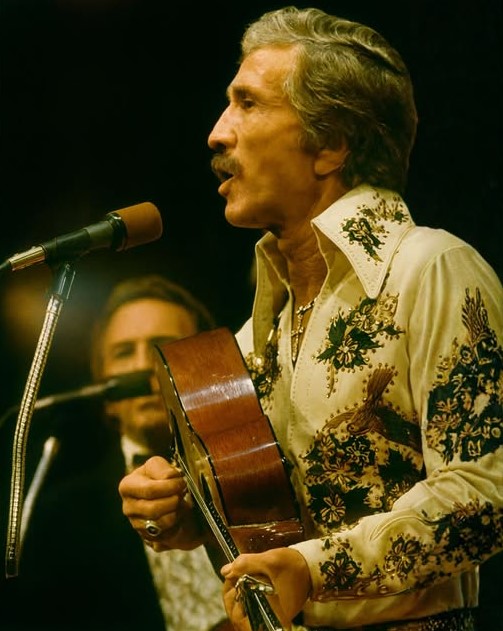
In December 1982, the Grand Ole Opry House in Nashville, Tennessee, became the setting for one of the most poignant moments in country music history. Marty Robbins, a legendary figure whose contributions shaped the sound of modern country, delivered his final live performance just six days before his untimely passing. That evening, Robbins performed his iconic hit, “Don’t Worry”, leaving an indelible mark on the hearts of his audience. The event was more than a performance; it was a heartfelt farewell, a final testament to the artistry and emotional depth that defined Robbins’ career.
The Enduring Legacy of “Don’t Worry”
Originally released in 1961, “Don’t Worry” quickly became a defining song in Robbins’ expansive catalog. The single not only reached number one on the Billboard Hot Country Singles chart but also crossed over to achieve number three on the Billboard Hot 100, illustrating Robbins’ broad appeal beyond traditional country audiences. The track is particularly notable for its distinctive distorted guitar solo, a serendipitous outcome of a recording mishap. Instead of re-recording the track, Robbins embraced the unusual sound, creating one of the earliest examples of guitar distortion in country music history. This innovative approach showcased Robbins’ willingness to experiment musically, which helped solidify his reputation as a pioneering artist.
December 1982: The Grand Ole Opry Performance
On that December night, the Grand Ole Opry House was imbued with a rare atmosphere of reverence. Fans and fellow musicians alike gathered to witness Robbins, whose health had begun to decline, deliver a performance that would echo through history. As he sang “Don’t Worry”, his voice carried a unique warmth and sincerity, imbuing each note with both nostalgia and finality. The audience, fully aware of the significance of the moment, responded with deep respect, absorbing not just a song but a personal farewell from a beloved figure in country music. Every chord, every lyric, reflected Robbins’ lifelong dedication to his craft and his unwavering connection with his fans.
Marty Robbins’ Emotional Connection with His Audience
Throughout his career, Marty Robbins was celebrated for his ability to convey profound emotion through music. The 1982 performance exemplified this talent, transforming “Don’t Worry” into more than a chart-topping hit; it became a vehicle for expression, an intimate dialogue between artist and listener. Robbins’ ability to connect on a human level turned the performance into an unforgettable experience. The audience experienced the genuine warmth and authenticity that had become Robbins’ signature, making this final performance a true milestone in country music history.
The Grand Ole Opry as the Perfect Backdrop
The Grand Ole Opry has long been revered as the heart of country music. Hosting Robbins’ last performance at this iconic venue added layers of meaning, emphasizing the magnitude of the occasion. The Opry’s storied stage, steeped in decades of musical history, provided a fitting environment for Robbins’ farewell. The venue’s legacy complemented Robbins’ own contributions, creating a moment that was both historically significant and emotionally resonant.
A Timeless Legacy
Marty Robbins’ final performance of “Don’t Worry” remains an enduring symbol of his artistic brilliance and emotional depth. For those fortunate enough to witness it, the performance epitomized the essence of Robbins’ career—innovative, heartfelt, and profoundly human. Today, the recording and memories of that night continue to inspire musicians and fans, reminding the world of Robbins’ lasting impact on country music and the timeless appeal of his artistry.