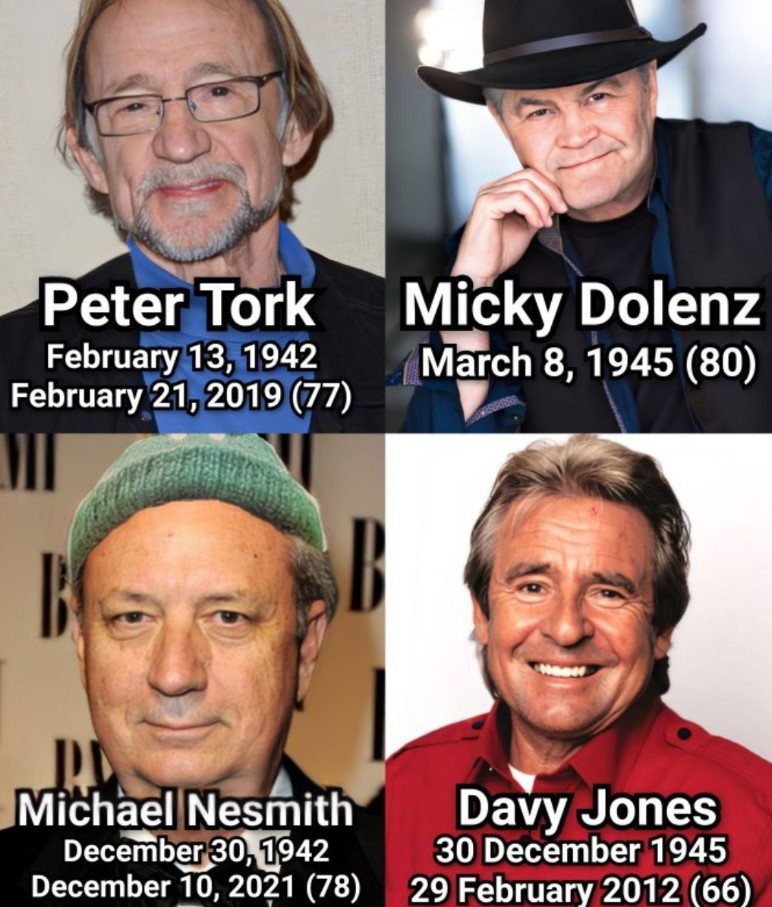
Few stories in music history are as electrifying as that of The Monkees, a band born from television screens yet destined to shape the sound of an era. What began as a casting call for a made-for-TV pop group evolved into one of the most iconic musical journeys of the 1960s. Peter Tork, Micky Dolenz, Michael Nesmith, and Davy Jones didn’t just play roles — they transformed into genuine artists who redefined the boundaries between entertainment and artistry.
The Birth of a Pop Phenomenon
In 1966, American television producers sought four young men to star in a quirky sitcom about a fictional rock band. What emerged was more than a show — it was a cultural explosion. The Monkees’ television series, filled with humor, heart, and irresistible melodies, captivated millions. Yet, behind the scripted lines and slapstick humor, a real band was taking shape — one that would soon demand to be heard on their own terms.
The show’s success skyrocketed thanks to catchy hits like “Last Train to Clarksville,” “I’m a Believer,” and “Pleasant Valley Sunday.” With these songs, The Monkees bridged the gap between television entertainment and musical authenticity, creating a connection that transcended screens and entered the hearts of fans around the world.
The Classic Lineup: Four Artists, One Revolution
The chemistry between the four members was undeniable. Peter Tork, the band’s soulful multi-instrumentalist, infused each track with warmth and depth through his skillful guitar and keyboard work. Micky Dolenz, the energetic frontman, delivered vocals that blended pop brightness with rock grit — a sound instantly recognizable even decades later. Michael Nesmith, the group’s creative visionary, brought country-infused rock textures and poetic songwriting that would later inspire countless artists. And Davy Jones, the charming English heartthrob, became the face of the band, enchanting audiences with his charisma and distinctive voice.
Together, they weren’t just actors playing musicians — they became a real band that demanded creative control, wrote their own songs, and performed live with genuine passion. This transformation marked a turning point in pop culture, proving that even a manufactured band could evolve into a force of musical authenticity.
Breaking Free: The Fight for Artistic Freedom
By 1967, The Monkees pushed against studio limitations and took full charge of their music. Their album “Headquarters” was a declaration of independence — written, performed, and produced by the band themselves. It stood as a bold statement to critics who had dismissed them as “the prefab four.” The Monkees had become true musicians, and their work resonated with a generation craving honesty and individuality in music.
Cultural Impact and Lasting Legacy
The Monkees’ influence extended far beyond the pop charts. They pioneered music video storytelling long before MTV existed, using cinematic creativity to complement their songs. Their blend of comedy, youth culture, and rock sound laid the groundwork for future multimedia stars. From The Beatles’ films to modern boy bands, echoes of The Monkees’ style can still be seen and heard.
Over the decades, their legacy has only grown stronger. Songs like “Daydream Believer” and “(I’m Not Your) Steppin’ Stone” remain timeless, capturing the spirit of an age where music became a symbol of freedom and unity.
The Enduring Spirit of The Monkees
More than fifty years later, The Monkees continue to be celebrated as pioneers of pop innovation. Their journey from scripted performers to genuine artists stands as a testament to creativity’s power to transcend expectation. Through humor, harmony, and heartfelt music, The Monkees didn’t just entertain — they changed the rhythm of pop history forever.