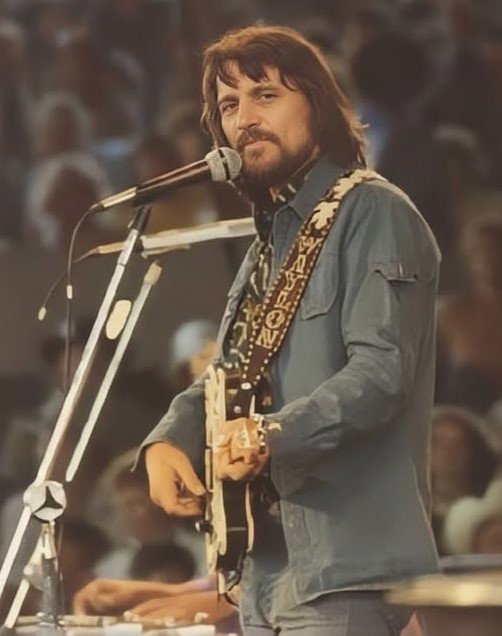
Waylon Jennings, one of the most iconic figures in country music, delivered a performance in “Last Letter” that resonates with fans decades after its release. Featured on his 1976 album Are You Ready for the Country, this song stands as a testament to the depth of Jennings’ storytelling and the emotional gravity he brought to every lyric he sang. Through a raw, vulnerable narrative, Jennings captures the heartache of lost love and the lingering impact of unspoken words, crafting a musical experience that transcends generations.
A Poignant Narrative of Heartbreak and Regret
In “Last Letter”, Jennings tells the story of a man confronting the emotional weight of a partner’s departure. The song begins with the discovery of a final letter, a written farewell that symbolizes closure and the finality of love lost. Every line he sings evokes a profound sense of regret, longing, and introspection, making listeners reflect on their own experiences with separation and unresolved emotions. The letter is more than a prop—it is the emotional centerpiece, allowing Jennings to explore the nuances of human connection, the complexity of forgiveness, and the sorrow of missed opportunities.
Waylon Jennings’ Distinctive Vocal Power
One of the most compelling aspects of Waylon Jennings’ performance is his weathered, resonant voice, which conveys authenticity and vulnerability in every note. His vocal delivery carries a gritty warmth that perfectly complements the song’s melancholic tone. The emotion in Jennings’ voice transforms the lyrics from mere words into a visceral storytelling experience, engaging listeners on a deeply personal level. This mastery of vocal expression reinforces Jennings’ standing as a legendary figure in the country music canon, capable of connecting with audiences through genuine sentiment rather than flashy production.
Minimalist Instrumentation Amplifying Emotional Impact
The instrumentation in “Last Letter” is intentionally sparse, allowing the lyrical content and vocal performance to take center stage. Jennings relies on acoustic guitar and steel guitar arrangements, providing a haunting and intimate backdrop for the narrative. The steel guitar adds subtle melancholic inflections, echoing the emotional gravity of the lyrics. This minimalist approach highlights Jennings’ skill in balancing musical simplicity with emotional complexity, ensuring that every chord and note contributes meaningfully to the song’s overall impact.
Timeless Themes of Love, Loss, and Reflection
At its core, “Last Letter” addresses universal themes that resonate with listeners across time. The song explores the pain of separation, the introspection that follows loss, and the lingering echoes of a love once shared. Jennings’ storytelling goes beyond personal narrative, capturing the collective human experience of grief and remembrance. This timelessness ensures that fans old and new find a personal connection to the song, reinforcing Jennings’ enduring influence in the genre.
Legacy of Waylon Jennings in Country Music
Waylon Jennings’ contribution to country music extends far beyond his extensive discography. “Last Letter” exemplifies his ability to combine narrative depth with musical precision, solidifying his reputation as a pioneer of the outlaw country movement. His emphasis on authenticity, emotional honesty, and raw storytelling continues to inspire modern artists while captivating devoted fans. Jennings’ legacy is not merely in his hits but in the emotional truths he conveyed, making songs like Last Letter timeless pieces of musical art.
Conclusion: The Enduring Power of “Last Letter”
Waylon Jennings’ “Last Letter” remains an essential piece of country music history, offering listeners a poignant exploration of love, loss, and human vulnerability. Through a combination of heartfelt lyrics, minimalist instrumentation, and his signature voice, Jennings crafts a song that transcends its era, leaving a lasting impression on anyone who experiences it. This enduring masterpiece stands as a testament to Jennings’ remarkable talent and his unwavering commitment to authentic storytelling, ensuring that his music continues to resonate with generations of country music enthusiasts.