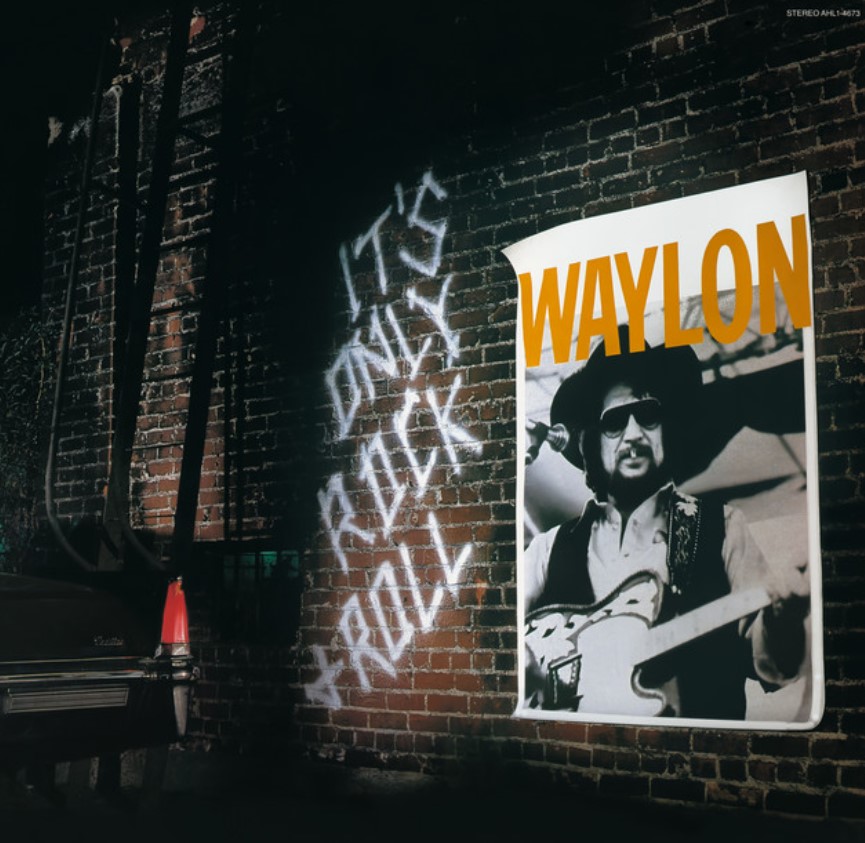
The Evolution of a Country Legend
Waylon Jennings is widely regarded as one of the most influential figures in country music, a trailblazer who challenged conventions and reshaped the genre. His musical journey was far from linear; it was marked by bold experimentation, personal struggles, and a relentless pursuit of artistic authenticity. From his early days in the Nashville studio system to the emergence of the Outlaw Country movement, Jennings consistently sought to break free from the constraints of the mainstream, paving the way for a new generation of artists who valued creative control and raw honesty over commercial formula.
Early Career: From Session Musician to Rising Star
Before achieving stardom, Jennings honed his craft as a highly sought-after session musician in Nashville, contributing his distinctive guitar work and vocals to recordings by prominent artists. During this period, he absorbed the traditional sounds of country music while quietly nurturing a desire to forge his own path. His time as a session player allowed him to understand the intricacies of song structure, production techniques, and audience expectations, giving him a solid foundation for his later, more rebellious endeavors.
Breakin’ the Mold: The Outlaw Country Movement
The 1970s marked a pivotal era in Jennings’ career. Frustrated with the constraints imposed by record labels and the polished Nashville sound, he became a central figure in the Outlaw Country movement, alongside contemporaries like Willie Nelson and Kris Kristofferson. This period emphasized artistic freedom, rugged authenticity, and a rejection of commercialized formulas. Jennings’ albums during this time, including landmark works such as Honky Tonk Heroes, showcased his willingness to experiment with sound, song selection, and storytelling, blending traditional country instruments with rock-influenced rhythms and arrangements that defied expectations.
Personal Struggles and Artistic Transformation
Jennings’ transformation was not purely musical. His journey was also deeply intertwined with personal challenges, including battles with addiction and the pressures of fame. These experiences infused his music with a raw, emotional depth that resonated with audiences. Songs like “Luckenbach, Texas (Back to the Basics of Love)” and “Good Hearted Woman” reflect a combination of vulnerability and resilience, allowing listeners to connect with Jennings’ humanity while celebrating his rebellious spirit. His ability to translate personal struggle into universally compelling storytelling became a hallmark of his career, solidifying his status as a cultural icon within and beyond country music.
Legacy and Influence on Modern Country Music
Waylon Jennings’ transformation left an indelible mark on the music industry. His insistence on creative control inspired countless artists to prioritize authenticity over commercial pressures. Today, his influence is evident in the work of contemporary country stars who embrace genre-blending, narrative-rich lyrics, and an independent approach to music production. Jennings demonstrated that the evolution of an artist is not merely a change in style but a profound journey of self-discovery and empowerment, where the courage to challenge norms can redefine an entire genre.
Conclusion: The Enduring Impact of Waylon Jennings
Waylon Jennings’ musical journey stands as a testament to the power of artistic integrity, resilience, and innovation. By breaking away from the confines of traditional Nashville production, embracing personal and creative struggles, and championing a sound that was uniquely his own, he reshaped country music and inspired generations of musicians. His story illustrates how transformation—both personal and professional—can lead to timeless artistry that continues to influence, inspire, and captivate audiences decades after its inception.