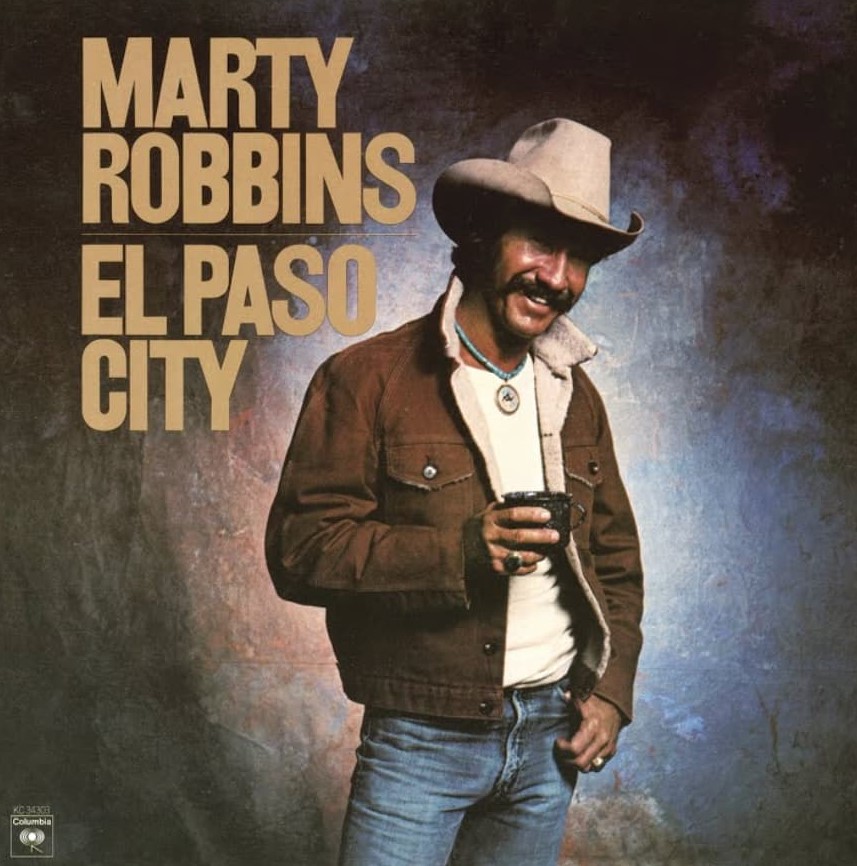
Marty Robbins’ 1976 masterpiece, El Paso City, stands as a monumental achievement in the history of country music. This song is not merely a hit; it is a profound continuation of Robbins’ 1959 classic, El Paso, capturing the imagination of audiences and solidifying his reputation as one of the greatest storytellers in the genre. El Paso City exemplifies the seamless blend of narrative depth, musical craftsmanship, and emotional resonance that defines timeless country music.
The Story Behind “El Paso City”
El Paso City was inspired by a striking moment of creative insight that struck Robbins while flying over the city of El Paso. As he gazed at the landscape below, a strong sense of déjà vu enveloped him, triggering the narrative of the song. The lyrics reflect a mystical connection between the modern-day traveler and the tragic gunfighter from Robbins’ original El Paso. Lines such as “I’ve been on this road before and I know where it leads” evoke a sense of predestined familiarity, merging reality with a haunting reflection on the past. This connection allows listeners to experience the story as a continuation of the legendary saga, rather than a simple homage.
Chart-Topping Success and Cultural Impact
Upon its release, El Paso City quickly climbed to the No. 1 position on the Billboard Hot Country Singles chart, reaffirming Robbins’ dominance in the country music scene. The song’s commercial success was matched by its cultural significance, providing fans with a bridge between the classic cowboy ballads of the 1950s and the introspective country narratives of the 1970s. Its ability to resonate across generations demonstrates Robbins’ mastery of universal themes such as love, fate, and the inexorable passage of time. The song not only celebrated a place but evoked deep emotional nostalgia, allowing listeners to feel intimately connected to the world Robbins created.
Musical Composition and Lyrical Brilliance
The musical arrangement of El Paso City showcases Robbins’ signature smooth baritone, set against a backdrop of carefully crafted instrumentation that enhances the storytelling. The melancholic melody complements the lyrical narrative, conveying a sense of longing and reflection. Each verse is meticulously structured to maintain narrative tension while drawing listeners into the intricate web of past and present. Robbins’ lyrical craftsmanship shines through, as the song’s words effortlessly convey complex emotions while keeping the listener engaged in the unfolding story.
Themes of Memory, Fate, and Connection
El Paso City explores profound themes of memory, fate, and cyclical existence. The protagonist’s journey is emblematic of a deeper reflection on life and identity, where past experiences are inextricably linked to present perceptions. The song examines how the echoes of history influence the modern traveler, creating a timeless narrative that resonates with anyone who has felt a connection to a place or a story beyond their own life. This thematic depth elevates El Paso City from a mere sequel to a work of art that expands the mythology of its predecessor.
Legacy and Enduring Influence
Decades after its release, El Paso City continues to captivate new audiences and retain its status as a cornerstone of classic country music. Marty Robbins’ ability to craft a sequel that is both emotionally resonant and musically compelling ensures the song’s place in the pantheon of country music legends. Its enduring appeal lies not only in its narrative brilliance but also in its capacity to evoke vivid imagery and emotional connection, making it a must-hear for any enthusiast of the genre.
Marty Robbins’ El Paso City remains a testament to storytelling excellence, musical mastery, and timeless emotional resonance. For fans of classic country and narrative-driven music, this song is an essential listen, offering a journey through history, memory, and the enduring power of legendary tales.